The AACC Conference and Reflections on Unity
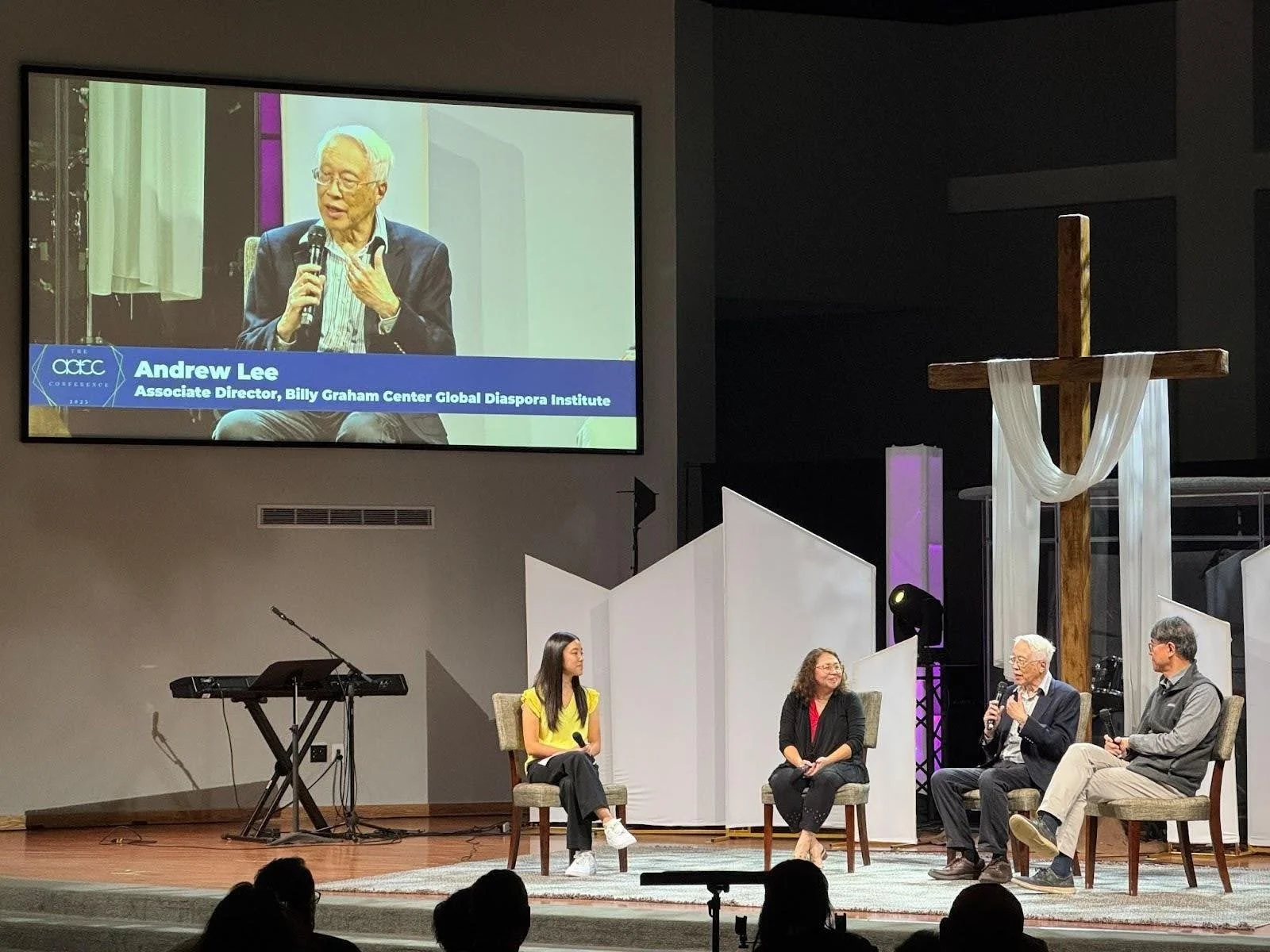
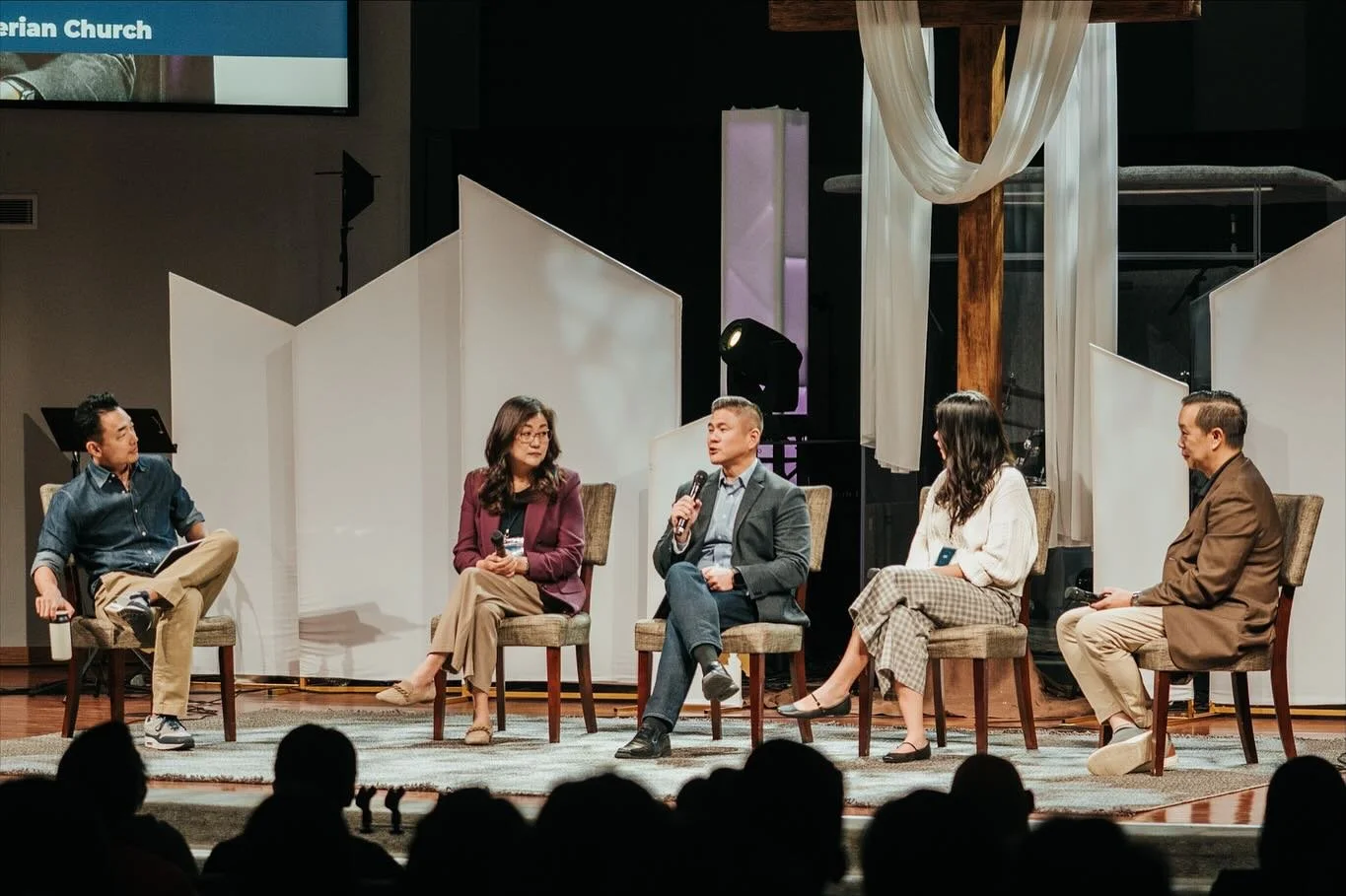
In October 2025, hundreds of people from all over North America gathered for three days in Washington D.C. at the first ever national conference hosted by the Asian American Christian Collaborative (AACC) at Open Door Presbyterian Church.
Jesus of the Minjung (민중)
Jesus’ life reflects the minjung (민중) of human history, life born in and concluding in unjust suffering. Incarnate Jesus resembles the deepest suffering of the immigrant experience within the diaspora of Asian Americans and beyond.
Laban: Only Jacob’s Villain or Also A Responsible Father?
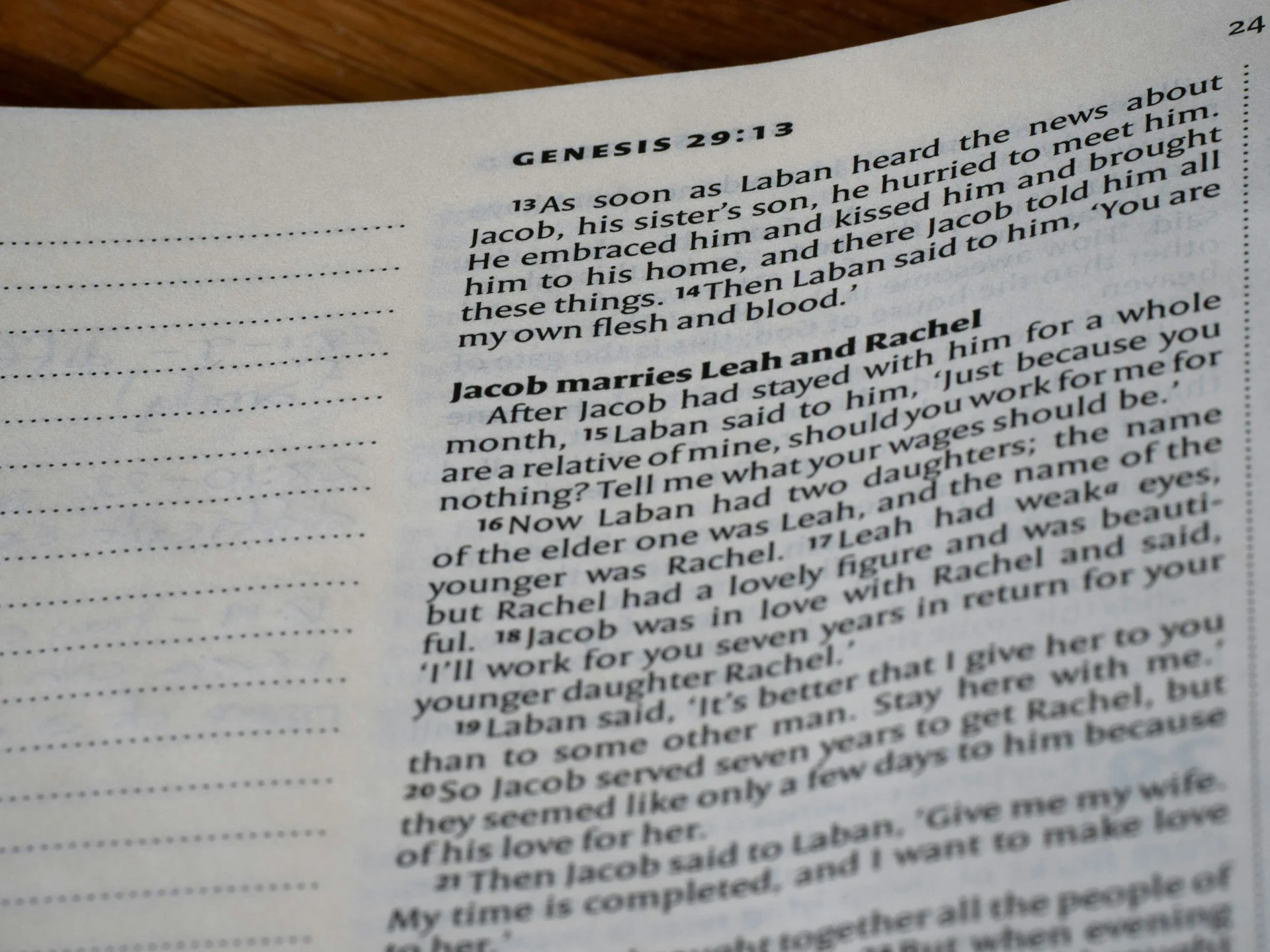
When I first read about Jacob and his uncle Laban in Genesis, I did not see Laban as anything but a villain. But now, years later, as I reflect on my South Asian culture and the culture of Jacob’s time, I find that I have questions about who Laban is.

A Filipino American Perspective on Romans 12-13
I have carried these two perspectives, those of my tito and my classmates, with me for many years, trying to discern the right way to respond. The painful reality has been that biblical passages such as Rom. 13:1–7 have been used to justify the horrors of colonialism; by right of conquest, the imperial powers were granted the divine right to rule.
Moses Maligned by Biblical Interpreters
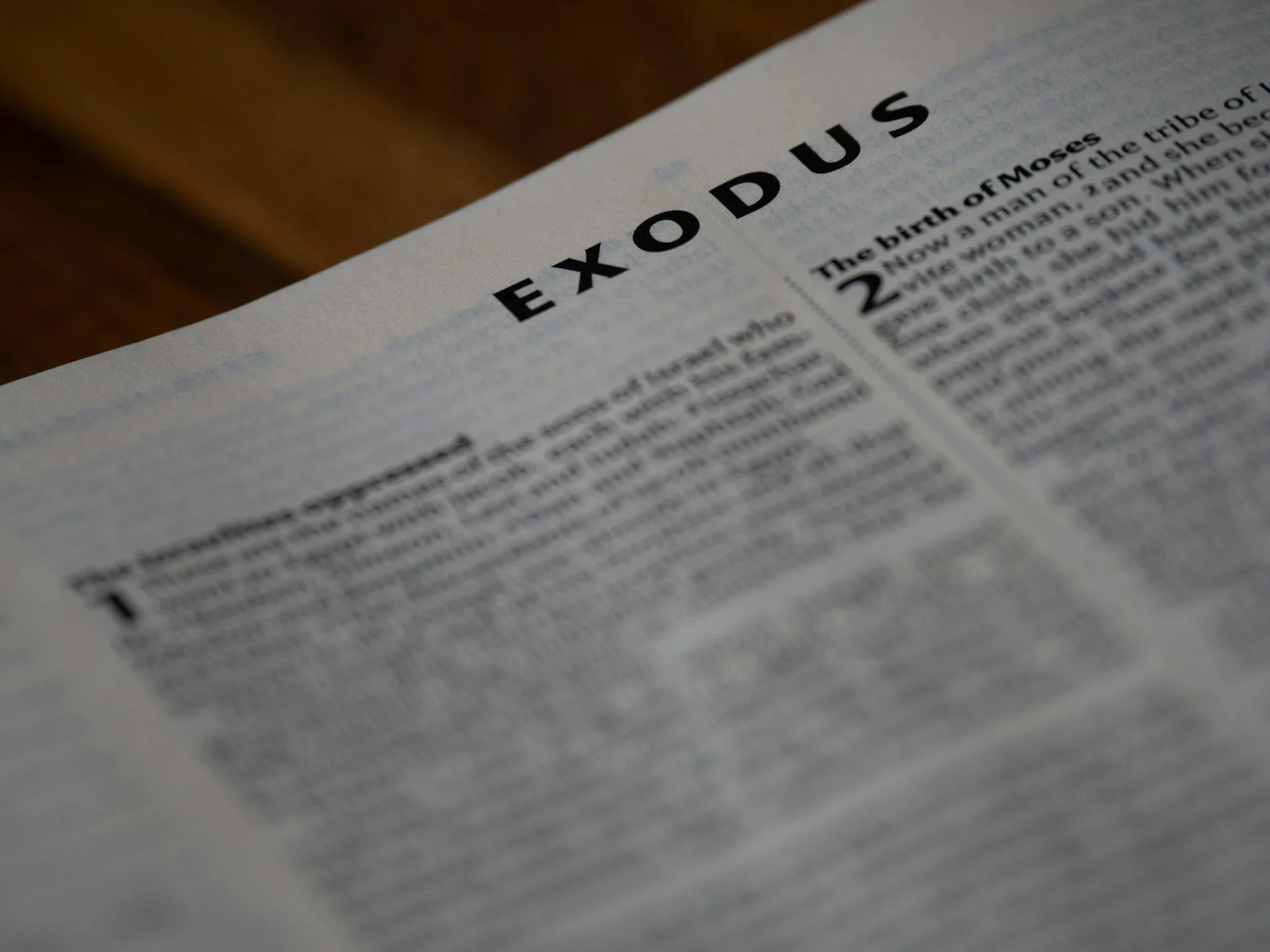
Asian Americans who are not fully bilingual understand Moses’s dilemma and can identify with his situation. As they are unable to speak fluently in the language of their homeland, they end up stammering and stuttering when they try. They speak hesitantly as they translate from one language to the other in their heads, and when words eventually emerge, they are tainted by an accent. On occasion, native speakers make fun of their feeble attempts, thus shaming and further discouraging them, causing them to shut down.

Breakfast Time!
Alongside “Have you eaten yet?”, “Let’s eat!”—or in my Cantonese household, “sik fan la!”—is a mealtime call shouted loud and clear throughout the house, reaching all the hungry stomachs and drawing them near. …As I read Jesus’s words, “Come and have breakfast” (John 21:12, NIV), I can’t help but recognize Jesus’s anticipation of the disciples’ needs and his preparation of a simple, yet thoughtful meal made with love.

The Parable of the Talents and Asian American Work Ethic
We've inherited a vision of work that prizes achievement, esteem, and productivity above all else. But Scripture tells us something different. Work is about worship, service, and faithfulness. And the gap between those two visions is exactly what the Parable of the Talents in Matthew 25:14–30 invites us to reckon with.
Letter from the Editor:
Over the years, I’ve greatly benefited from the friendships I’ve made within AACC, especially as I’ve found other Asian American Christians pursuing a multi-faceted holistic discipleship—holism with the biblical view of the kingdom of God, and holism in integrating our Asian American identities with our faith.
Genocide Awareness Month: living nonviolently in a violent world
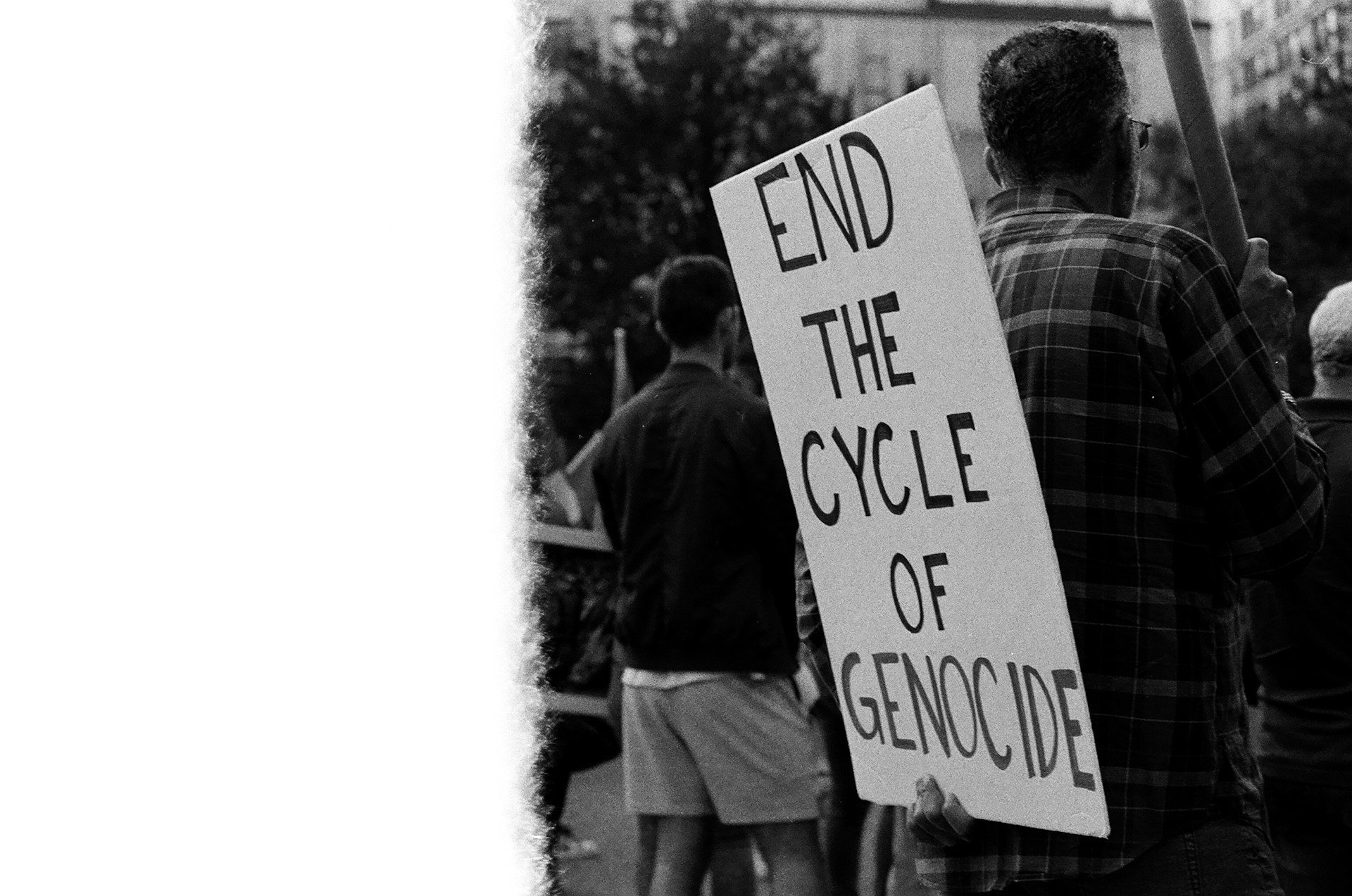
Genocide Awareness Month reminds me of the need for forgiveness. It reminds me that to resist evil, we need to forgive those who have wronged us. This is only possible through the Holy Spirit. The Holy Spirit is the one who forms the church into a forgiving people. In doing so, we become a nonviolent people who can exist in a violent world.
Book Review: The Anti-Greed Gospel
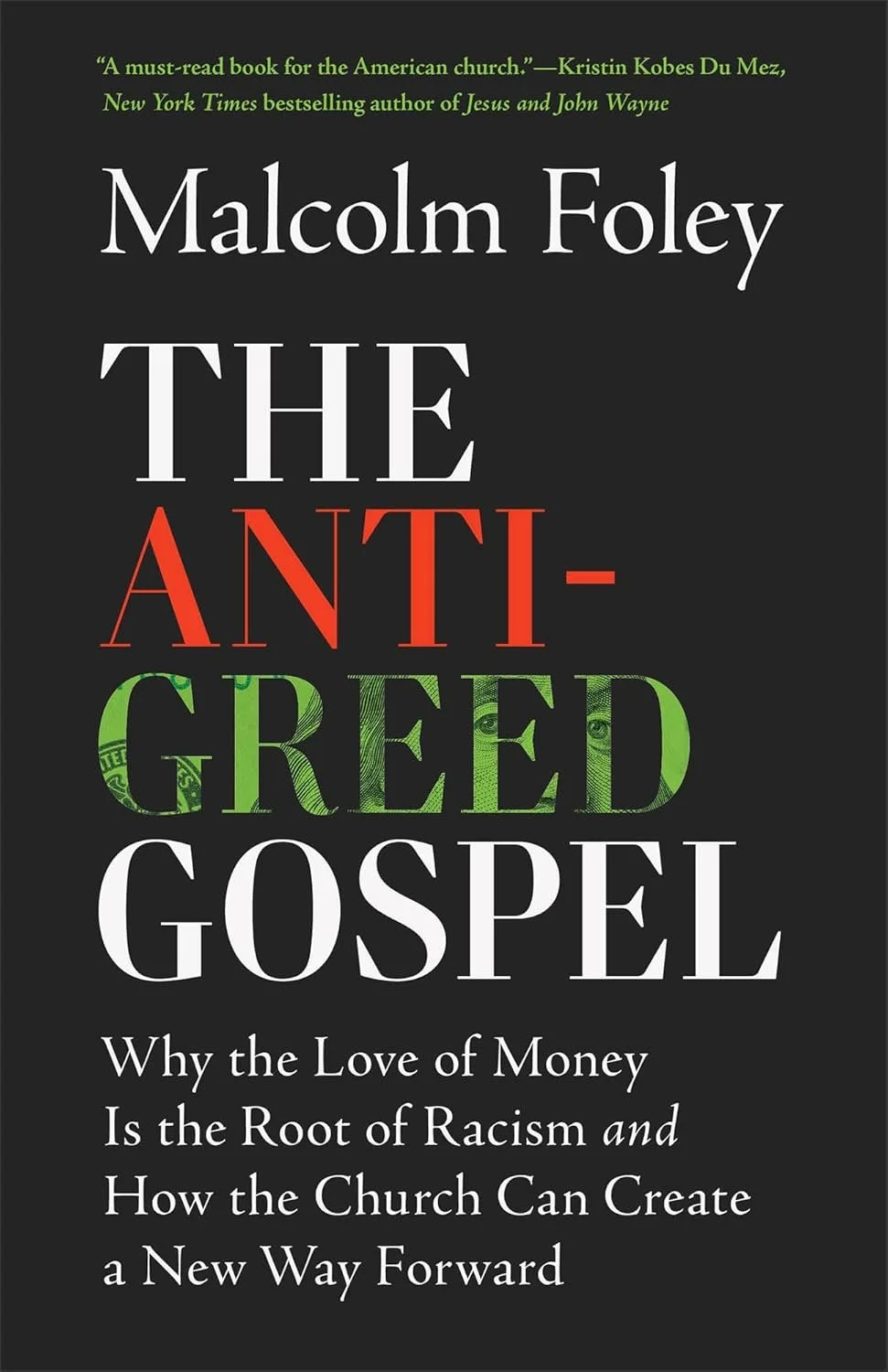
Foley’s book The Anti-Greed Gospel is an excellent introduction to racial capitalism as a constructive way to think about and combat racism. The constructive responses Foley outlines in this book are radical, but the gospel of Jesus Christ is radical.

A Different Dream
So, I began to wrestle.
How do I honor the Lord
and also honor my parents?
How do I repay their sacrifices
while also honoring the sacrifice my Savior made for me?
“You’ll bring honor to us all.”
“Honor your father and mother.”

Father's PNEUMA
Father's PNEUMA is a very personal project for me. It was my attempt to reflect and process the devastating effects of Pulmonary Fibrosis - a debilitating lung disease that is taking my father's life. Through this piece, I explore the heart-wrenching journey of watching a loved one's gradual loss of breath and the overwhelming helplessness of such a condition.

How to Explore Your Inner World While Honoring Your Parents
How does one live faithfully to Jesus when you cannot stand your parents and do not know how to turn the ship around? We all come from varying degrees of conflict in our families of origin. It is my hope that my story can show a potential way forward and most importantly give Asian Americans permission to wrestle with the hardships of family relationships without shame.

Between Worlds: Rethinking Honor
In traditional Asian culture, and certainly in the Indian culture that I grew up in, honor is relational, communal, and duty-based. Our vocations, careers, lifestyles, and decisions in life may be scrutinized through an honor-based lens. While the Western society that many of us grow up in places great importance on self-expression and chosen respect, Asian honor translates to sacrifice, family reputation, loyalty, and obedience.
Discovering the Ancestors, Discovering God’s Family
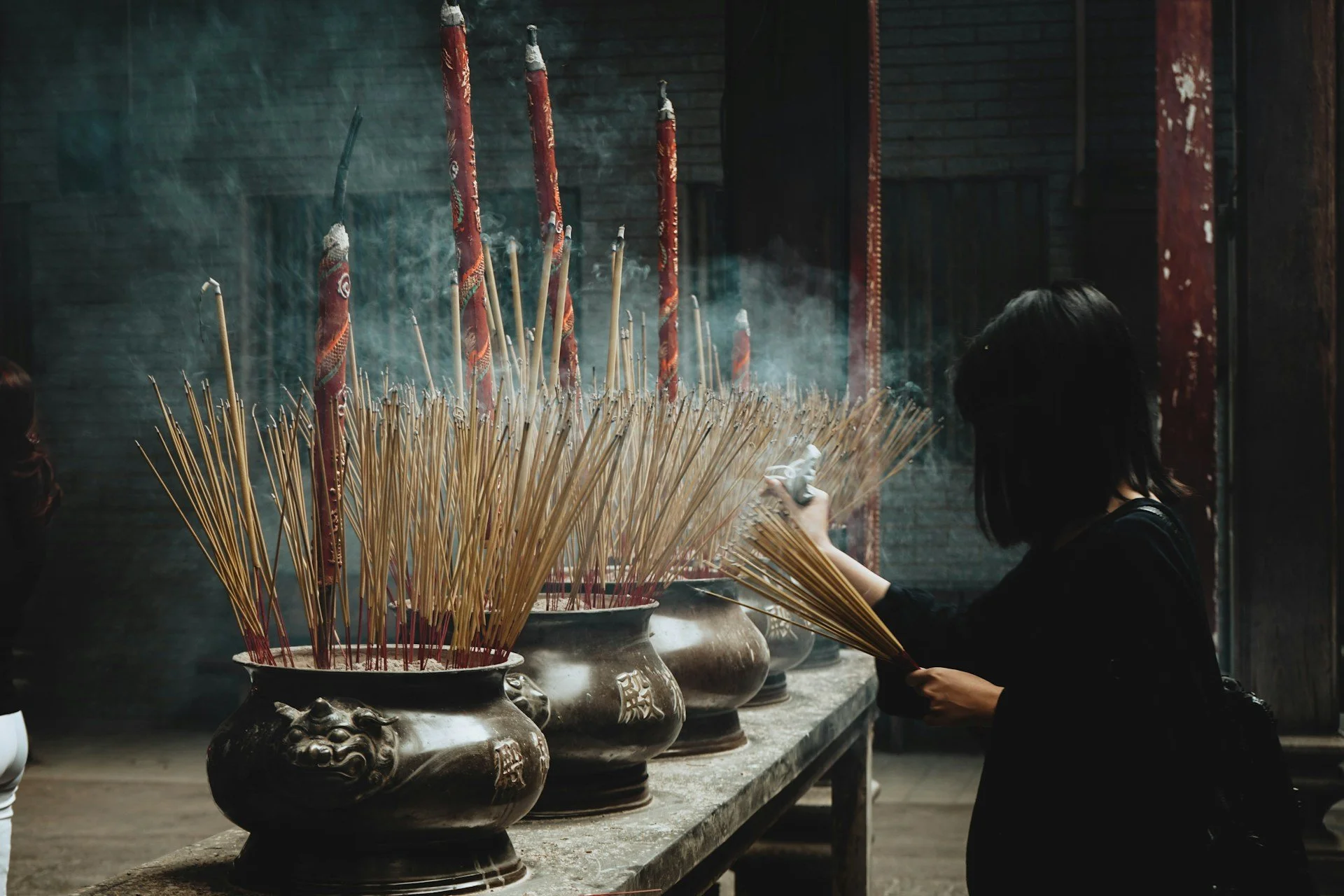
Our cultural heritage matters to God. Within our cultural heritage there are things we can learn about God. As Asian Christians we’re rarely told this. Perhaps we’re more often told that God wants us to set aside parts of our cultural heritage in the name of following Jesus.

How Do You Honor Your Parent After Their Death?
But after this time of immobility, I've slowly come to realize that what I've received from my mother—my inheritance—is much greater than any sum of money: My very flesh, my whole life, was a gift from her.

The Gospel of Waiting in a One-Minute World
Just as Jesus came as a baby approximately 2025 years ago to fulfill the hope of deliverance and reconciliation with God, there is a promise of a second coming of deliverance where all things will be once again made new. We must remember that this story of waiting is not a story of passive resignation or hardened indifference, or a fatalistic belief that nothing will change the trajectory of this cruel world’s demise. The story of redemption is not one of instant resolution, but of patient faith. And just because we cannot see what is to come does not mean we do not wait in anticipation and long-suffering for the story yet to be unraveled.
The Space Between Understanding
I took her withering hand in mine, the same hands that raised me up, the same hands that taught me how to read the Bible, the same hands that fed me purple yams, and I sighed. Because as a musician, I’ve been trained to hear what is both in sound and silence. Because as an actor, I’ve been taught to read between the lines. Because as a mixed child, I hold a distinct universe of two cultures, and yet, neither of them at the same time. Because as a Vietnamese girl who didn’t speak the language, I learned to navigate meaning in the space between understanding.
It Felt Like Family
Asians from all sorts of ethnic backgrounds, immigration stories, denominations, and contexts came together as one body—distinct, yet unified by a common faith and shared heritage.

“Why Can’t Our Family Do That?”
This was the mentality that my parents instilled in me when I was growing up. Grounded in cultural (i.e., Korean) and biblical principles, a part of this mindset was for my sister and me to be kind to one another as siblings. But make no mistake about it: in my family, the “family comes first” mentality disproportionately emphasized the need to honor our parents.