
It Felt Like Family
A Reflection from the AACC Conference
By Izzy Koo
I
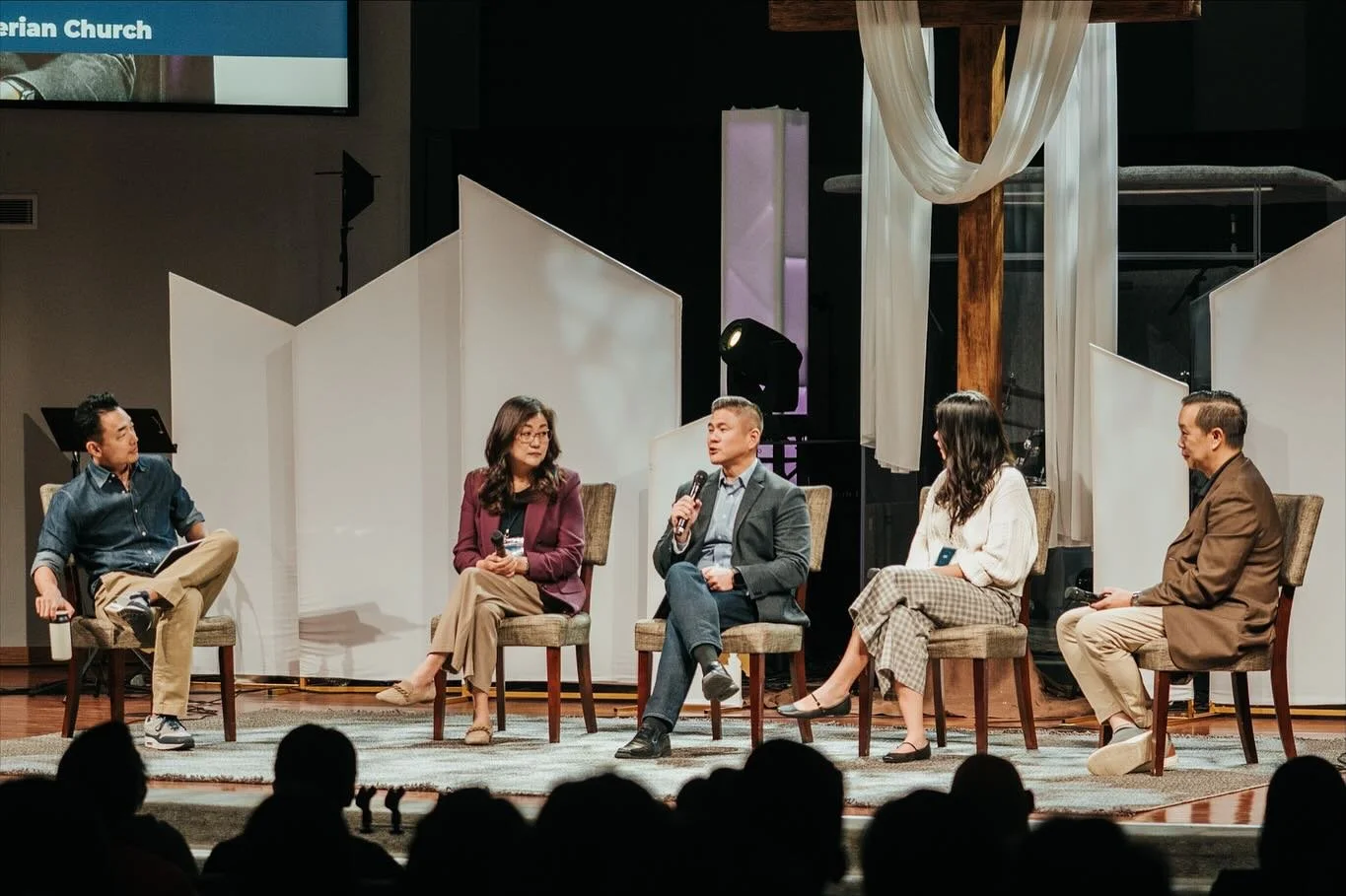
n October, I had the privilege of attending the inaugural Asian American Christian Collaborative Conference.
It truly was the first of its kind.
As I sat in the audience, I felt as though I was witnessing history unfold—participating in a moment that would become a legacy for generations to come.
The room was full of Asian Americans—nearly 300 senior pastors, youth pastors, leaders, counselors, professors, and professionals—gathered to celebrate our history and look forward to the future of the Asian American church.
Asians from all sorts of ethnic backgrounds, immigration stories, denominations, and contexts came together as one body—distinct, yet unified by a common faith and shared heritage.
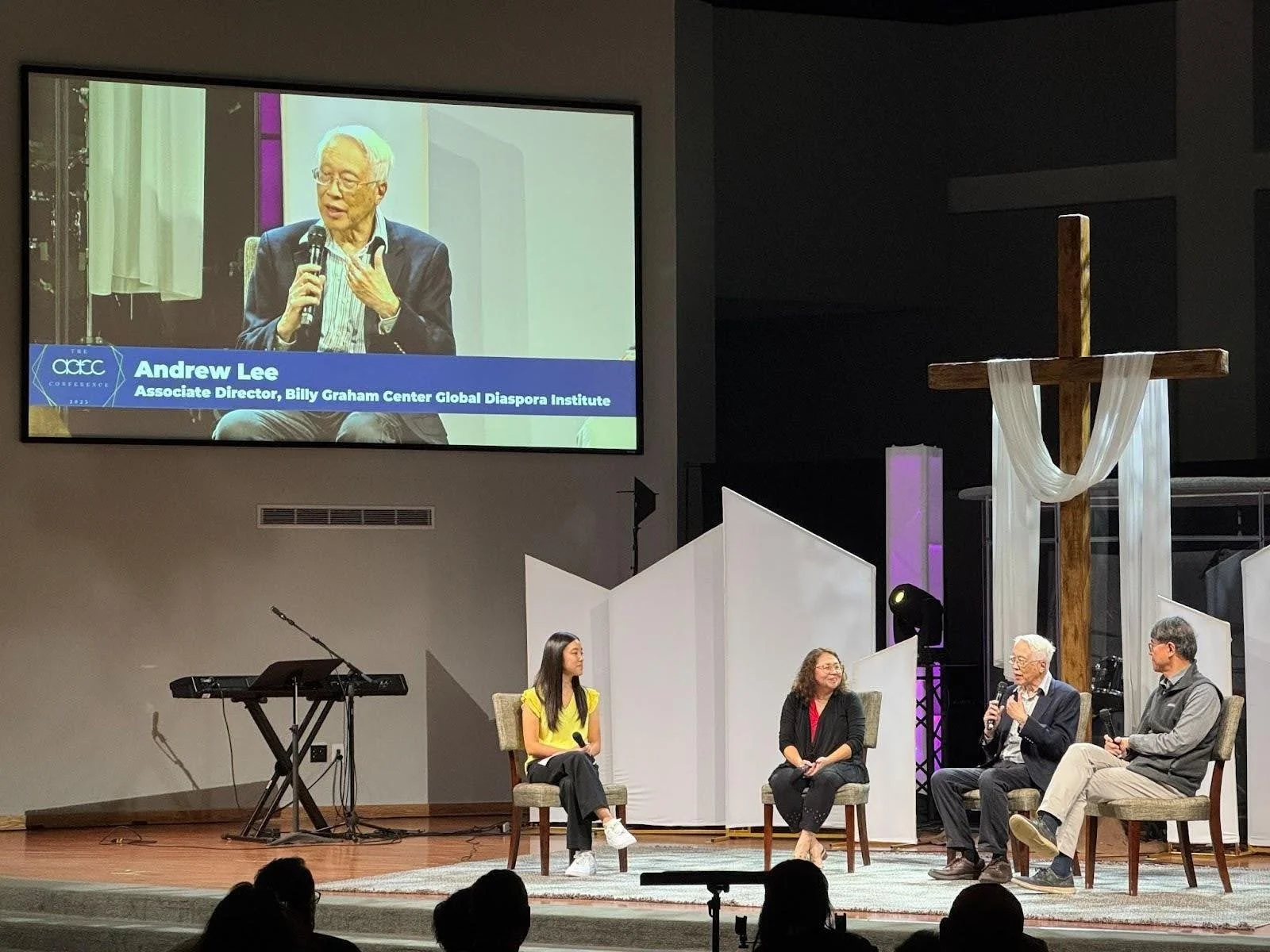
We honored the elders in the room, those who had trailblazed the way forward for us. I was both deeply saddened and overjoyed as I learned about people like Margaret Yu, the National Director of Epic Movement (Cru) for over 30 years; Rev. Dr. Peter Cha, who pioneered Asian American college campus ministries and helped write the first books on Asian American faith; and Rev. Dr. Andrew Lee, who pastored some of the largest Chinese American churches for decades.
I was saddened because I had never heard their stories before—yet overjoyed that I finally could, and that I got to witness them being honored.
While nearly every African American Christian knows and celebrates the legacy of Dr. Martin Luther King Jr., I realized I couldn’t name a single Asian American Christian trailblazer before this conference.
Maybe part of that was my ignorance. But another part, I think, reflects the lack of exposure to the Asian American church and the absence of our faith leaders in our schools’ histories. So many of our cultural heroes labored quietly—with diligence, humility, and steadfastness that often went unseen.
That’s why being in that room meant so much. To learn from one another, to be encouraged, inspired, and truly seen—culture and all—was remarkable.
Something about that space felt sacred.
Most of us were strangers, and yet, something immediately felt like family. It didn’t feel like a conference—it felt like a reunion.
I guess that’s the mysterious, wondrous beauty of culture.
The conference didn’t just end when the sessions did. People lingered until nearly 11 p.m., when we were finally asked to leave. No one wanted to go—not just to network, but because we were with our people. We were making friends. We were in community.
Asian Americans do fellowship well. We’re kinda known for that.
Just as my grandparents first found faith through community when they immigrated to the U.S., my generation often does the same. So many of us discover faith through cultural community—through shared food, culture, and belonging.
But as I reflected on that, I realized that what’s most beautiful about our sense of community can also be what’s most harmful.
Community can so easily blend into gossip, slander, and insularity. Sometimes we retreat to spaces with other Asians simply because they feel safe and familiar. We feel marginalized on the outside, so we hide in bubbles of cultural comfort.
We remain closed off—not because we’re cherishing togetherness, but because we’re afraid to be misunderstood or unseen.
Yet I sensed at the conference that one of our greatest weaknesses—community marked by gossip and exclusivity—could actually become our greatest strength when redeemed: community marked by connection, shared story, and genuine belonging.
I’ve heard so many say they were hurt by the Asian American church and its gossip and brokenness. I have been too. I still am at times.
And yet, I’m convicted that instead of running away, we can learn to run differently within our Asian American spaces. That we would meet often and love deeply not out of fear or comfort, but because it’s beautiful and sacred to be together. That we could carry our distinctiveness into the world, offering others a sense of belonging that is unique to the Asian American church.
This conference was a time to recognize our shortcomings and address them honestly. But even more, it was a time that left me with hope—that the Asian American church, at its best, is one of the most beautiful witnesses of the body of Christ I’ve ever seen.
We are a community of immigrants and dreamers, of sacrifice and faith, of diligence and humility passed down from generation to generation.
We are the church.
And as a member of the next generation, I hope to be a leader deeply rooted in where I come from—acknowledging, despite all the brokenness, the radical beauty of it.
I hope to be a leader who trailblazes the way forward for young Asian American women and men—showing them that it’s possible to be both Asian American and a bold, courageous Christian leader.
I hope to be a leader who uses my seat at the table to invite others in.
I hope to be the kind of leader I wish I had seen more of as a young, Asian American, Christian woman.
And I hope to help others love the church—beautifully and uniquely expressed through the Asian American lens.
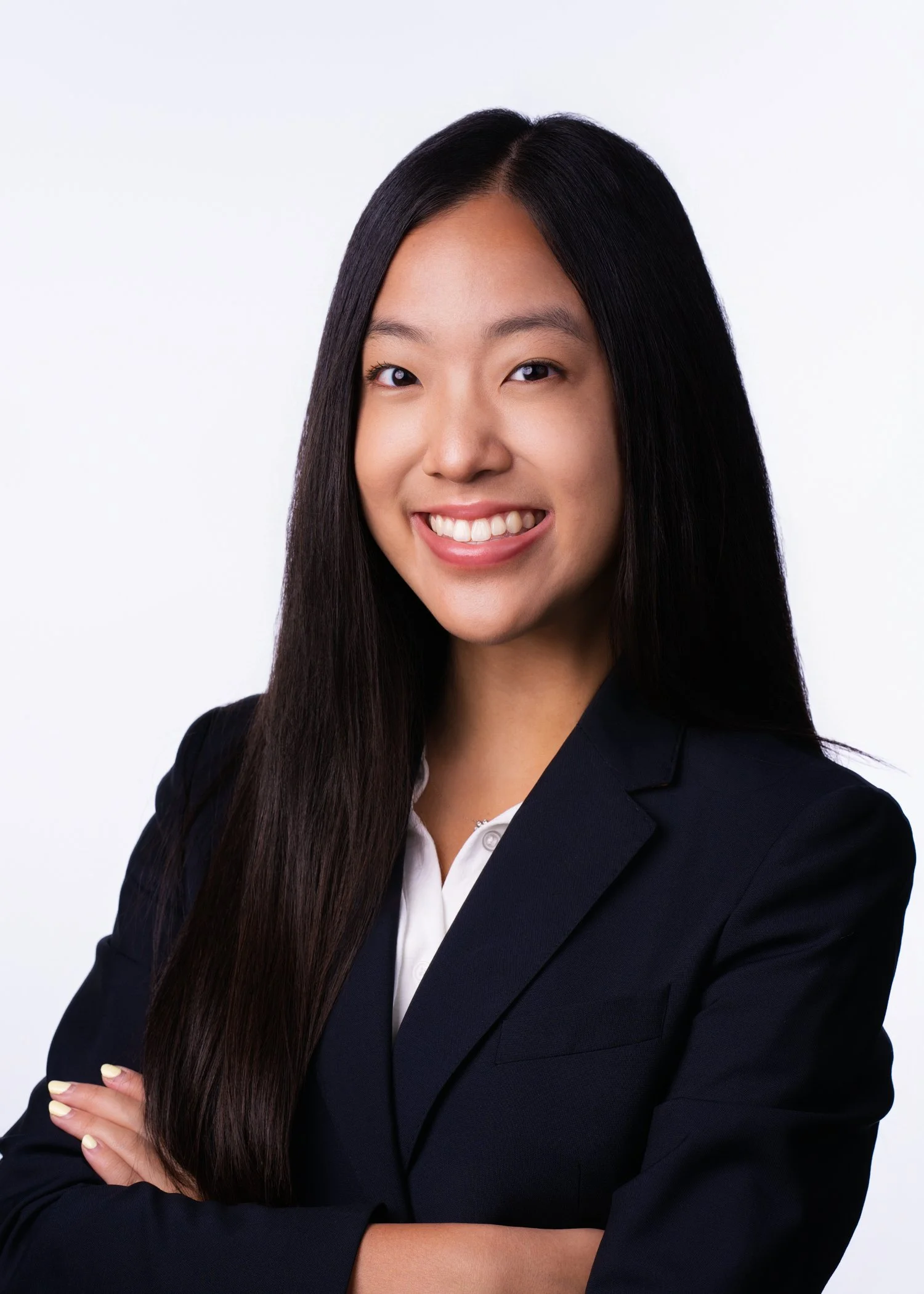
Izzy Koo is an author, speaker, and undergraduate student minister at Pepperdine University, where she is studying Religion. She is deeply passionate about helping the next generation encounter Jesus and grow in their faith. At just 16, she published her first book, Finding God, Finding Me, which tells the story of how she met God as an ordinary teenager. Izzy currently serves as a Next Gen Coordinator with the Asian American Christian Collaborative (AACC), where she champions and empowers young Asian American Christians. With a heart for discipleship, she aspires to pursue a lifelong calling in youth ministry.
More Like this:
Help us continue the work of empowering voices. Give today.