Our Stories
Featured
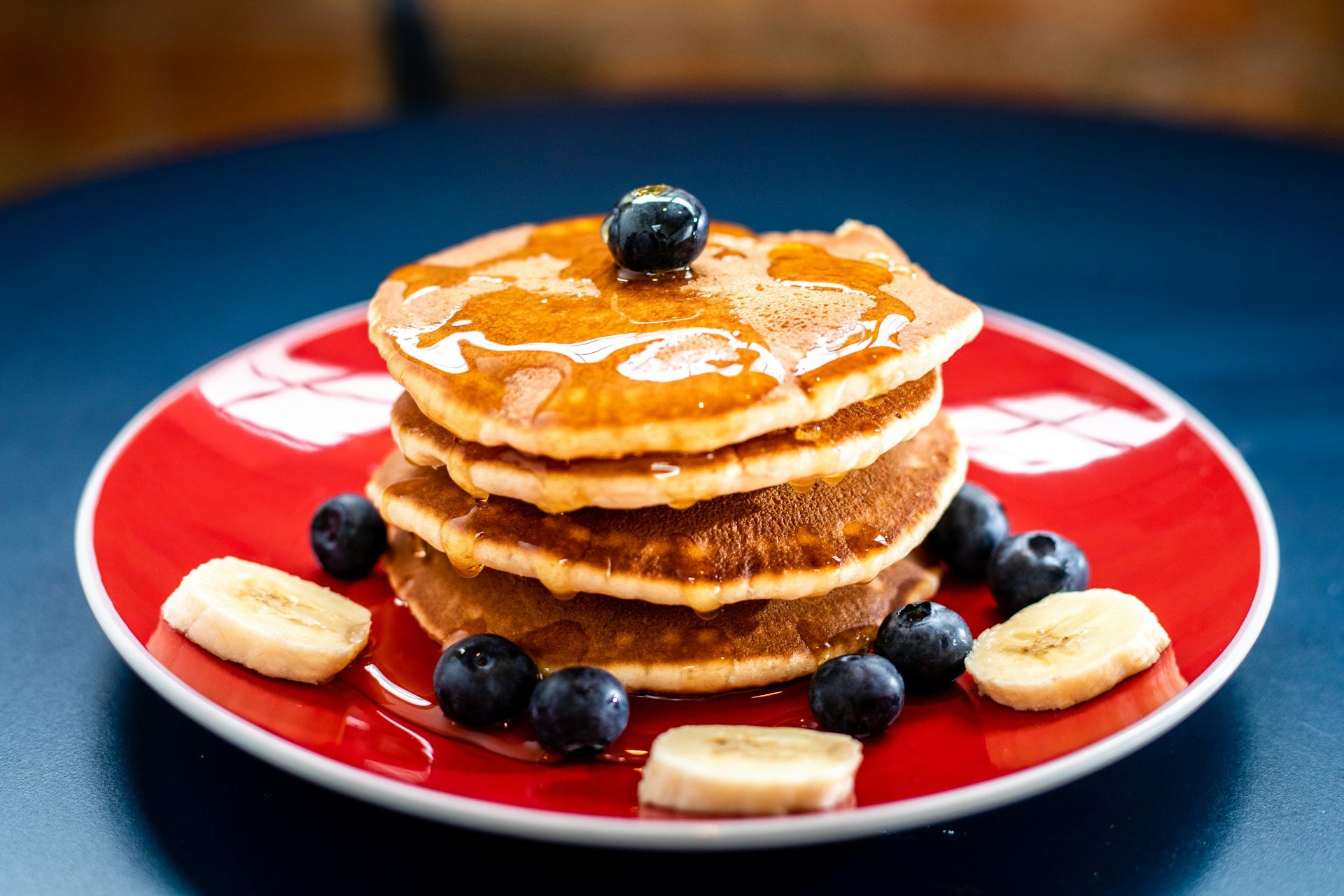
Alongside “Have you eaten yet?”, “Let’s eat!”—or in my Cantonese household, “sik fan la!”—is a mealtime call shouted loud and clear throughout the house, reaching all the hungry stomachs and drawing them near. …As I read Jesus’s words, “Come and have breakfast” (John 21:12, NIV), I can’t help but recognize Jesus’s anticipation of the disciples’ needs and his preparation of a simple, yet thoughtful meal made with love.
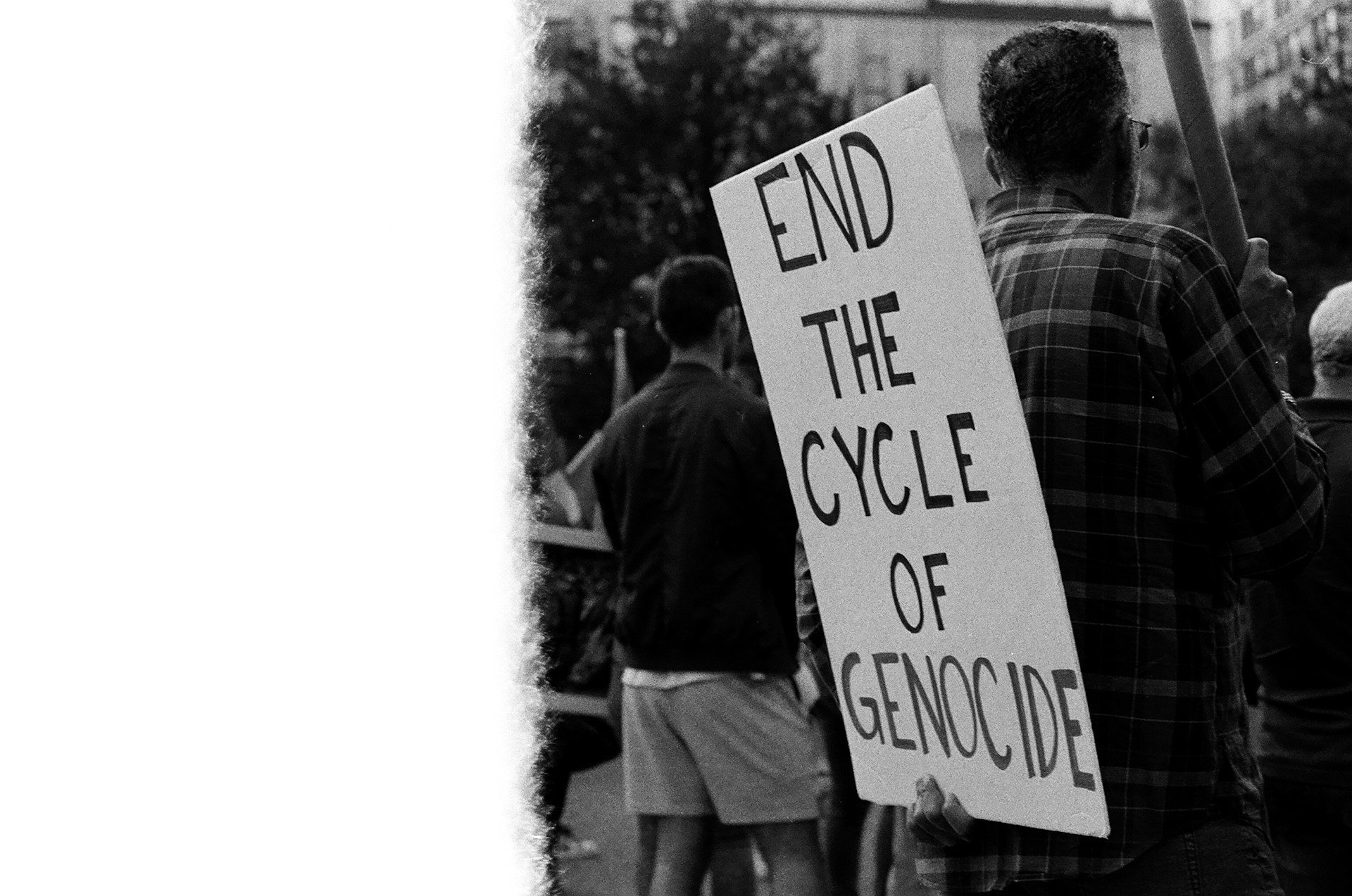
Genocide Awareness Month reminds me of the need for forgiveness. It reminds me that to resist evil, we need to forgive those who have wronged us. This is only possible through the Holy Spirit. The Holy Spirit is the one who forms the church into a forgiving people. In doing so, we become a nonviolent people who can exist in a violent world.
So, I began to wrestle.
How do I honor the Lord
and also honor my parents?
How do I repay their sacrifices
while also honoring the sacrifice my Savior made for me?
“You’ll bring honor to us all.”
“Honor your father and mother.”

Father's PNEUMA is a very personal project for me. It was my attempt to reflect and process the devastating effects of Pulmonary Fibrosis - a debilitating lung disease that is taking my father's life. Through this piece, I explore the heart-wrenching journey of watching a loved one's gradual loss of breath and the overwhelming helplessness of such a condition.

How does one live faithfully to Jesus when you cannot stand your parents and do not know how to turn the ship around? We all come from varying degrees of conflict in our families of origin. It is my hope that my story can show a potential way forward and most importantly give Asian Americans permission to wrestle with the hardships of family relationships without shame.

In traditional Asian culture, and certainly in the Indian culture that I grew up in, honor is relational, communal, and duty-based. Our vocations, careers, lifestyles, and decisions in life may be scrutinized through an honor-based lens. While the Western society that many of us grow up in places great importance on self-expression and chosen respect, Asian honor translates to sacrifice, family reputation, loyalty, and obedience.
AAPI Stories

My own bitterness towards the Korean society and culture followed me for a long time. I hope I can relieve my fellow mixed Koreans of that same bitterness by providing the words to help us understand ourselves. Perhaps this isn’t explicitly a “Christian” tenet wrapped neatly in a Bible verse; but everything I do, I hope it may be founded in the honest and joyful love of Christ.

But also within the last year, amidst God’s bride acting less than holy, God has reminded me along the way that my hope and joy truly are found in him.

While I don’t believe that God causes sickness, including mental illness, I believe He can redeem anything. What the enemy meant for evil, God uses for good.

I found myself in spaces where I was the only woman of color in a room full of white male pastors. Was there something wrong with me?


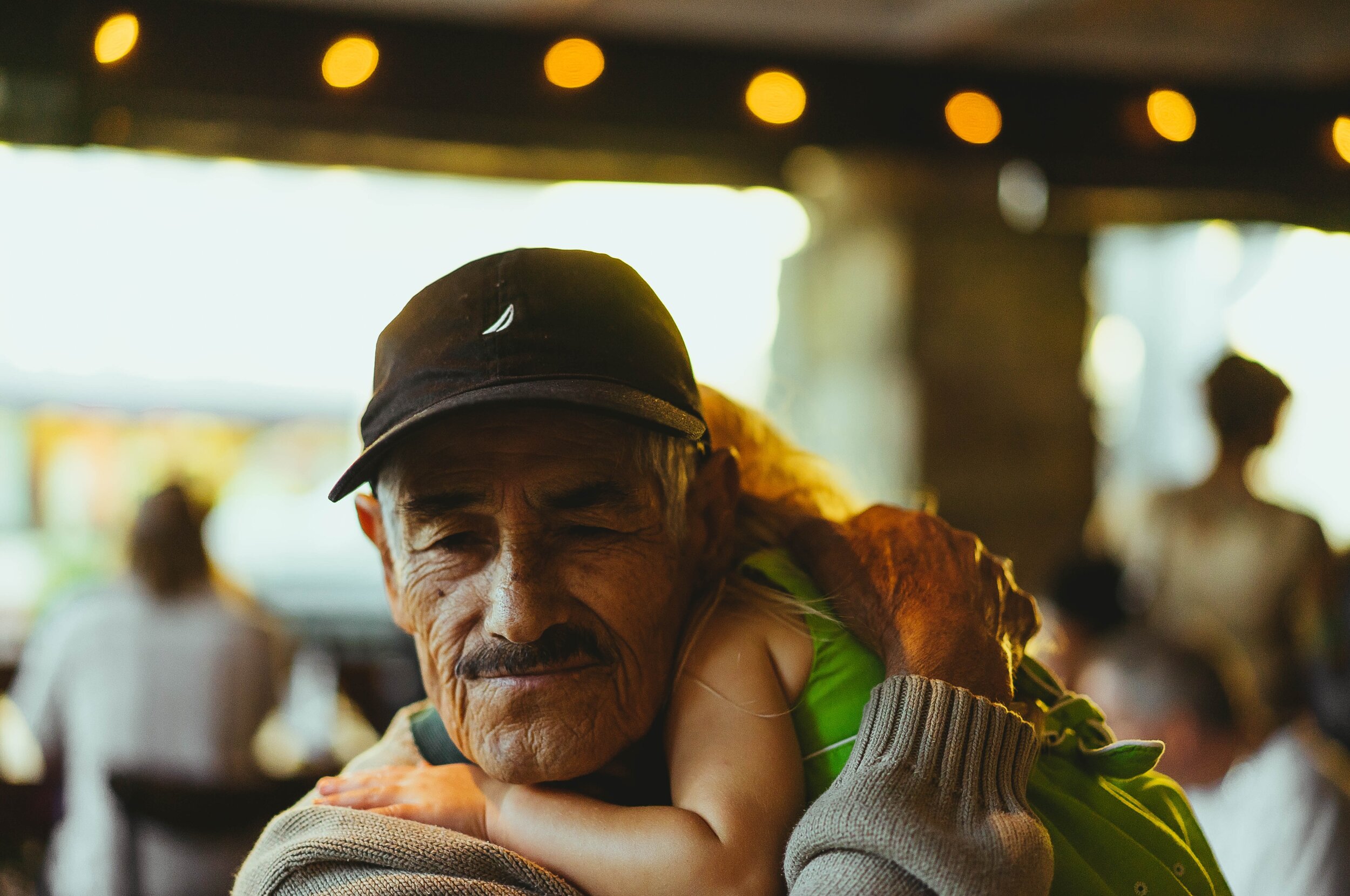

Living in liminal spaces, particularly as an Asian American, creates a peculiar kind of loneliness.

I had dreams of teaching in women’s ministry. Then I was rebuked for teaching about justice.

The fullness of Immanuel, God with us, encompassed a physical body and a rich cultural background. This season, let’s worship all of who Jesus was.
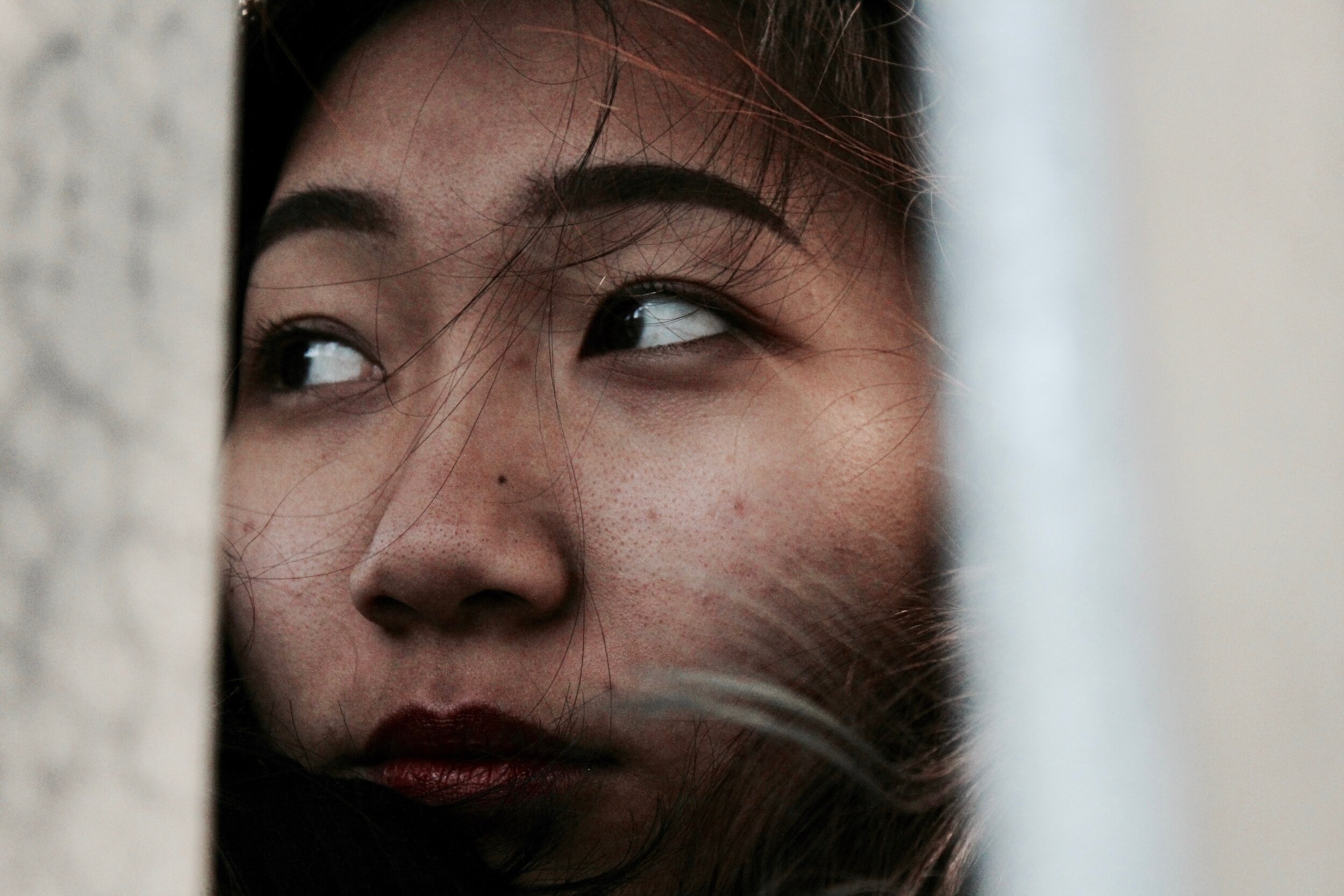
Our national conversation around race has revealed important truths about my identity, and made me long for God’s coming redemption of all things.

As a transracial adoptee in a white family, I bought into anti-Asian stereotypes. But now I’m reclaiming the ethnic identity God gave me.
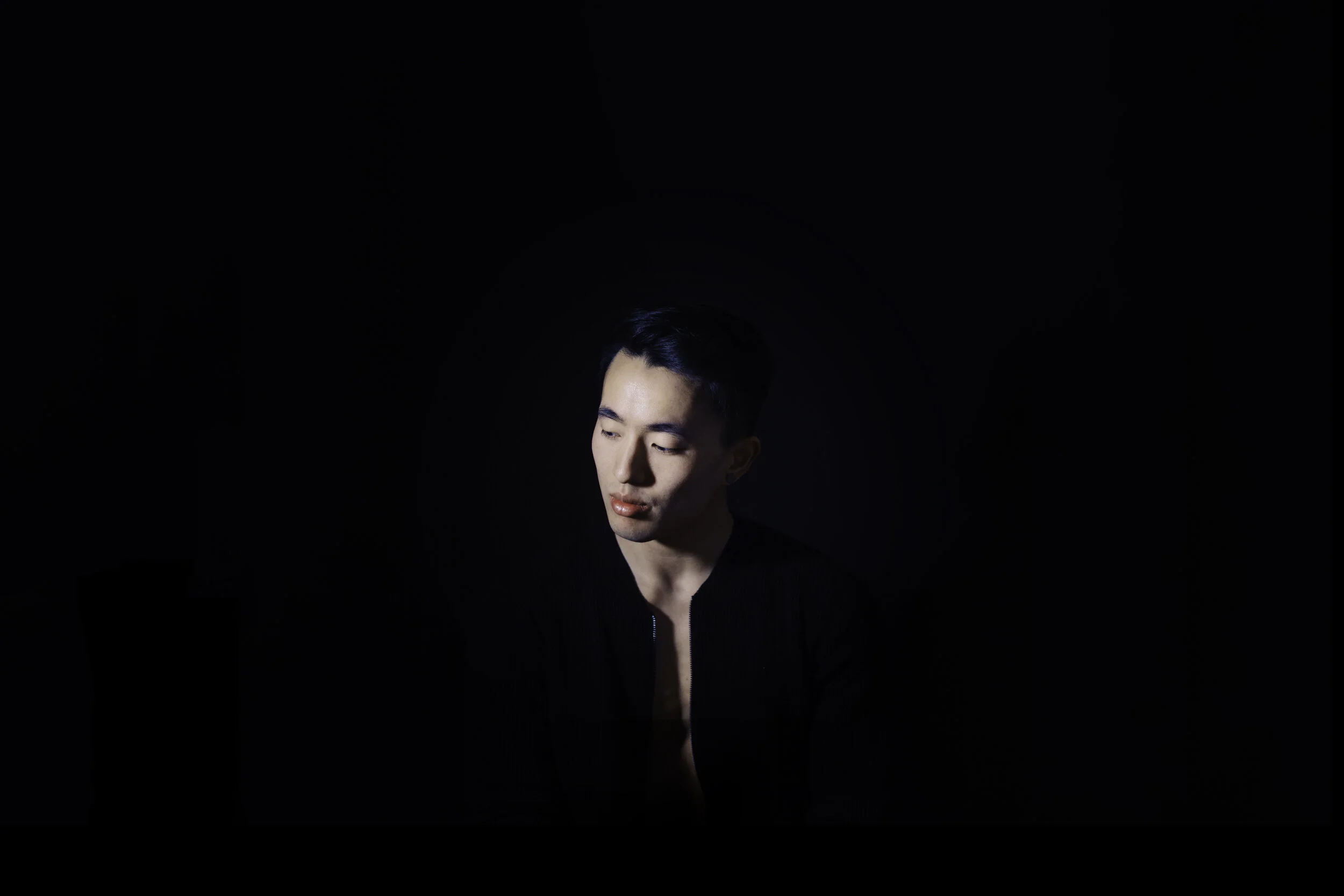
Here’s what I hold responsible for the oppressive, unreasonable demands that I place on myself.

My anger over the violence in Darfur made me an activist and forever changed my political engagement.

The creamy, spicy tea of Desi culture represents so much more than a drink.

How an Indian American woman found the courage to break the mold.

It hasn’t been easy for Indian Americans to watch the popular Netflix show. But the series has some important lessons for all of us.

A favorite Korean dish as an analogy for the Asian American experience.
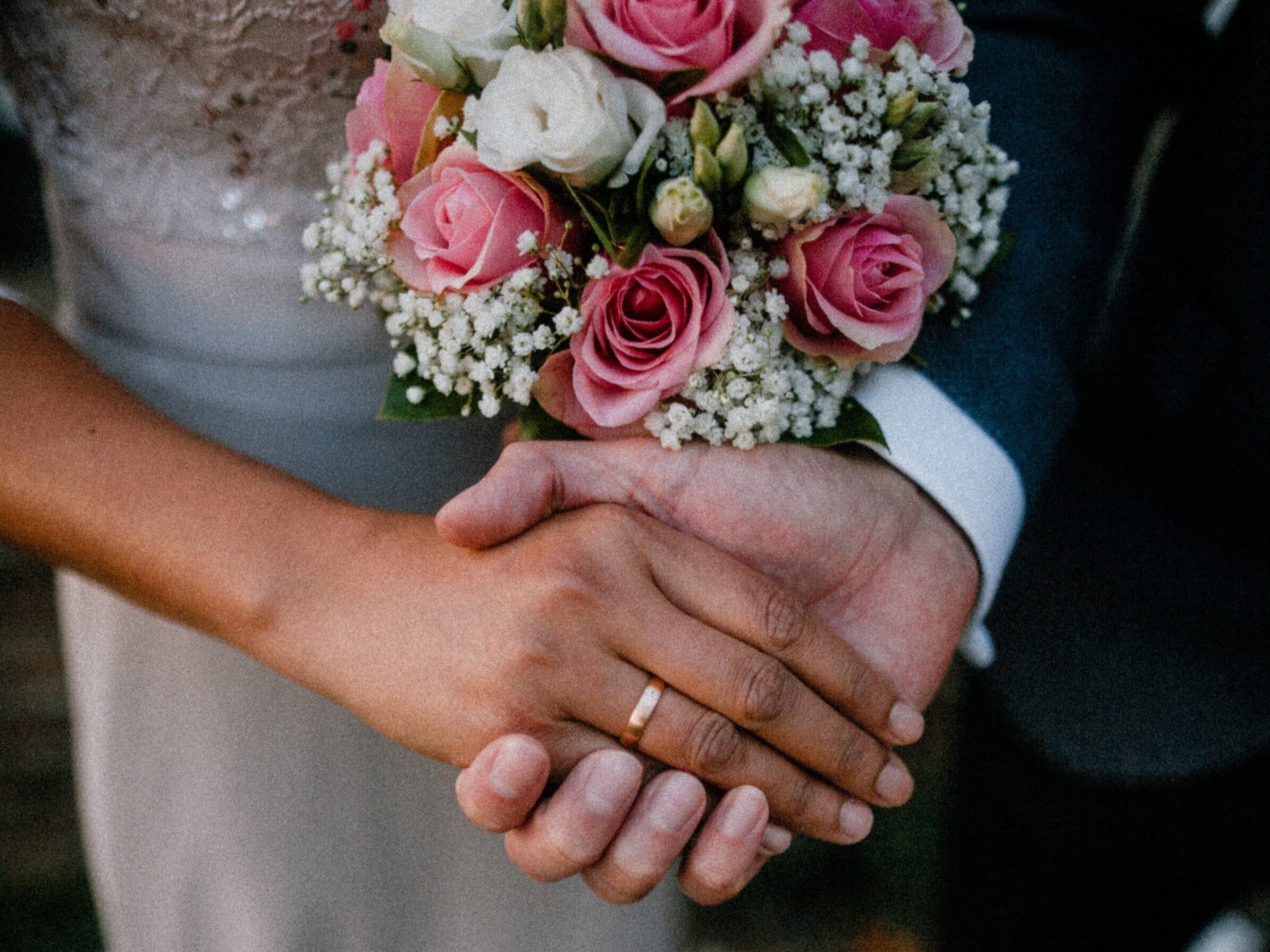
How I’m striving to affirm black lives matter by learning to be a good ally to my wife.

The burden of fixing America’s racism shouldn’t fall on the shoulders of Black communities.

America’s many sins make the Fourth of July a complicated holiday. But we can find hope and freedom in our kingdom citizenship.

My mixed heritage is a gift. It’s also complicated.

A husband’s perspective on the long journey of infertility.

Cancer is hard in any situation, but COVID-19 has caused this fight to be even more daunting.
Poetry
So, I began to wrestle.
How do I honor the Lord
and also honor my parents?
How do I repay their sacrifices
while also honoring the sacrifice my Savior made for me?
“You’ll bring honor to us all.”
“Honor your father and mother.”

do not forget
the ropes
suffocating the necks of
the Chinese
who sing the song of ages:
we can’t breathe.

Let us embrace the roots we’ve come from; And stand on the shoulders of our elders; The roots we grow from; The roots we rise from

Here we have a story; that doesn’t live happily ever; after but goes on, nevertheless. We don’t know exactly; what happened to grandma, only; she is with them like voices in leaves.

Creating something beautiful out of the terrible. That is my act of resistance.

Even now my soul responds to her tune; Motherlands still shelter their own; Always hold on, even when you go, go, go

When you put two halves together you make a whole. This is basic math. But when you merge different ethnicities the rules of math change.

We are not a myth, Of a minority nor a monolith, Foreign, we are perpetually not. Asians aren’t a footnote, An afterthought

Someday I hope my child thinks I’m brave for making beautiful things as reminders of beauty.

In writing on the exhibition, Megan Kim stated: “To work in co-creation with another woman of color, someone who also lives within particular marginalizations, is to threaten the ways in which whiteness would strive to divide us.”





A meditation on who God is in the midst of our deepest grief.


A reflection on the long-awaited light that follows the darkest days.


A poem reflecting on face masks and cultural fault lines.

A ceramic artist is inspired to honor a food tradition outside of her own culture.

A poem for a new arrival on this planet.

A series of haikus reflecting on this pandemic season.

A poem of family heritage and memory.

A spoken word piece exploring the blind spots we each have.

An empowering statement against the accusations of “China virus.”

A poem in response to the murder of George Floyd and the racist incident in Central Park.

A poem celebrating the divinely inspired diversity among us.

A poem on the racism experienced by an Asian-American woman.
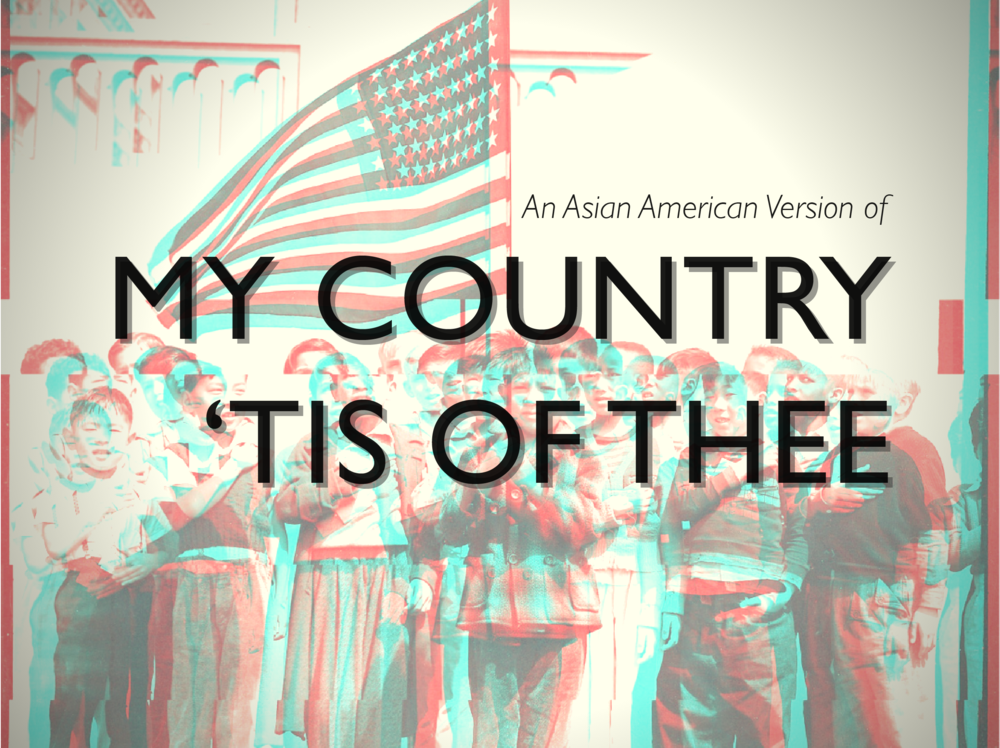
During the pre-Civil War era, abolitionists rewrote patriotic songs to highlight the injustices of slavery. Their version of “America” inspired me to write a version for Asian Americans to continue that cry and plea for change.
Art
In writing on the exhibition, Megan Kim stated: “To work in co-creation with another woman of color, someone who also lives within particular marginalizations, is to threaten the ways in which whiteness would strive to divide us.”
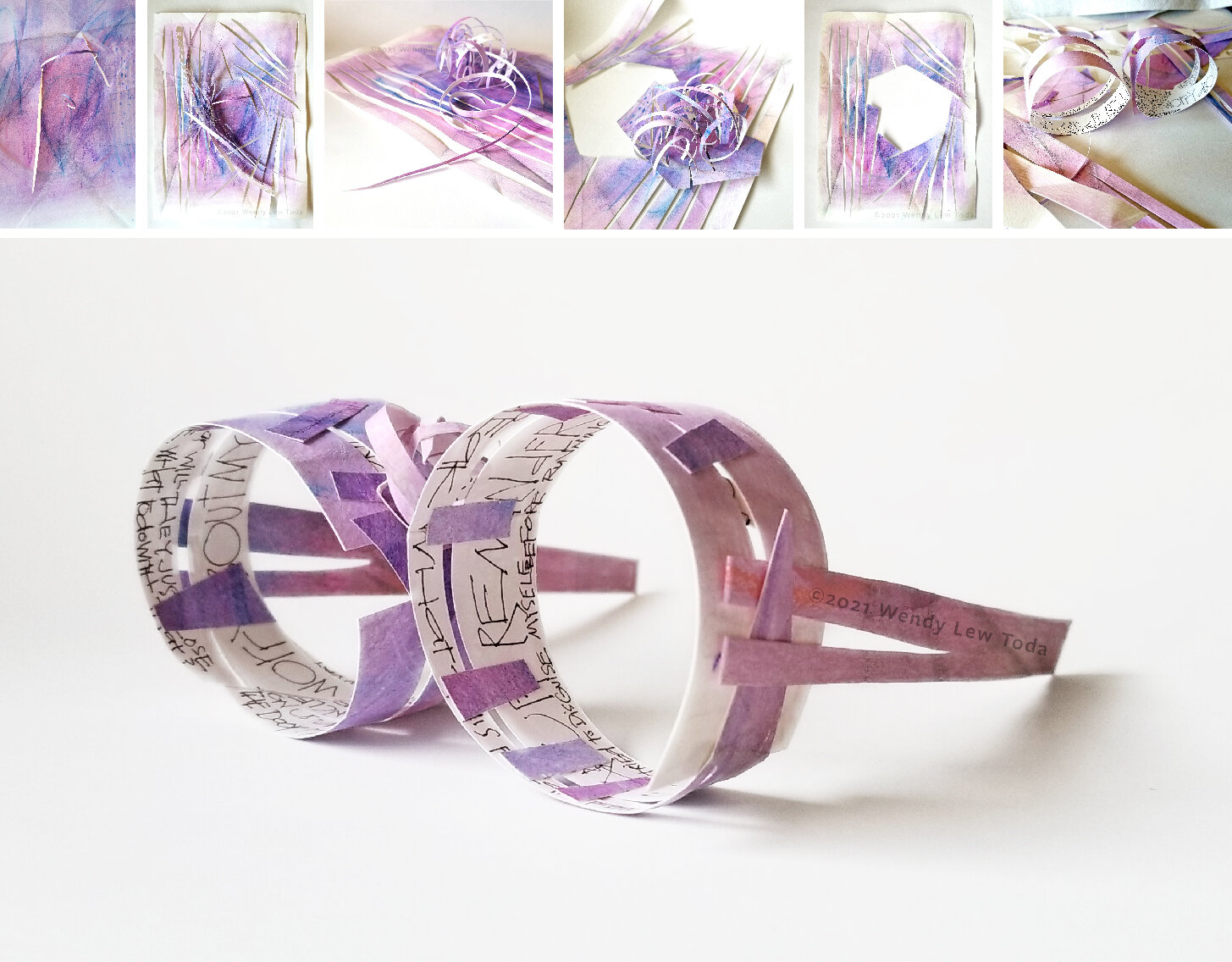
Seeing each other in our pain helps us stand firm and walk tall in this world.

Asian American art helps build our awareness of our cultural history.

An early twentieth-century painting provides unexpected insight into building interminority solidarity today.

A visual art piece celebrating the gift that Asian Americans are to one another.
Books

Asian American biblical interpretation is committed to reading with, for, and about those who have been minoritized due to their Asian identity, while also offering them critique. It proposes a way forward toward greater justice and equality for Asian Americans.
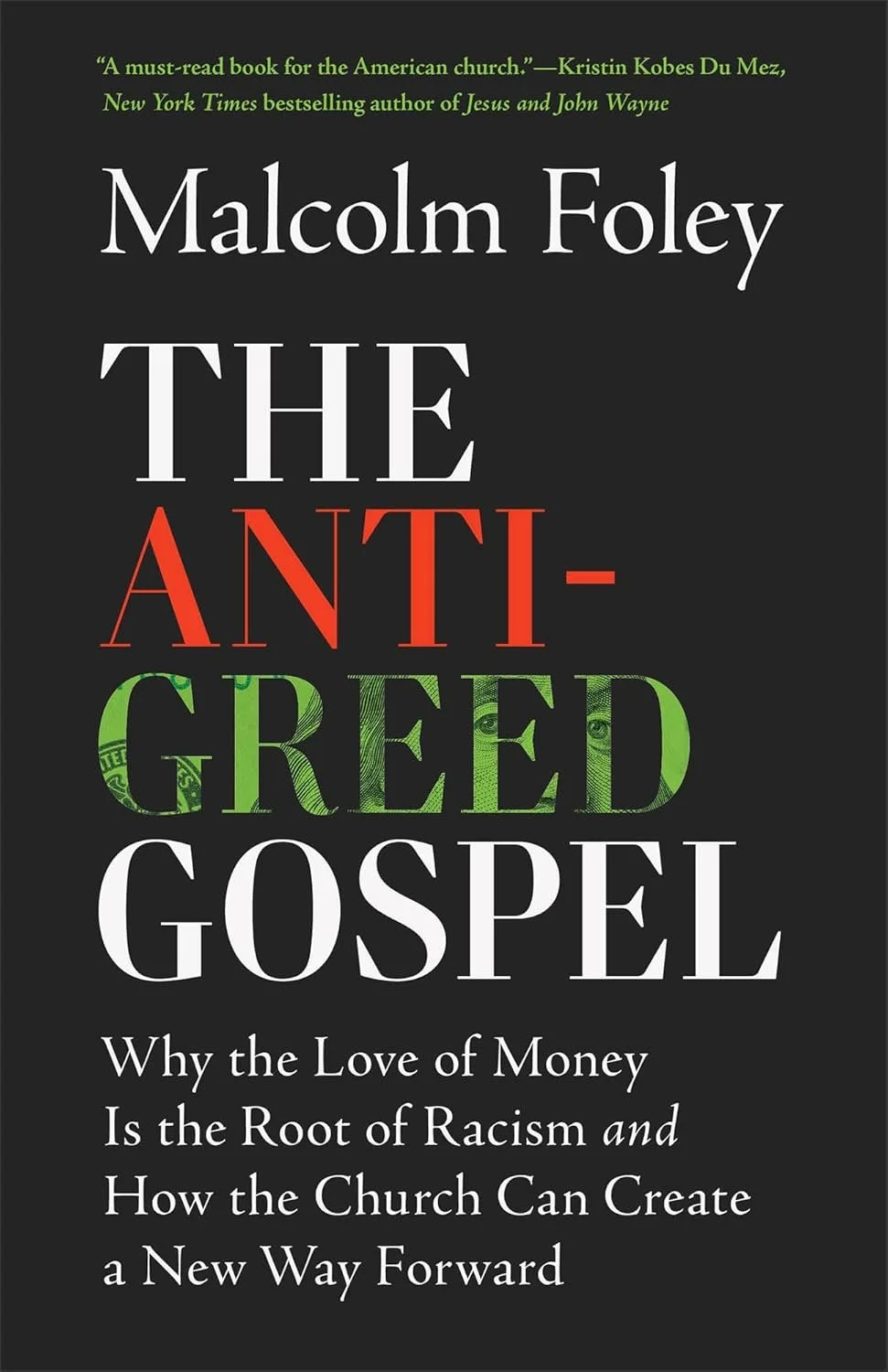
Foley’s book The Anti-Greed Gospel is an excellent introduction to racial capitalism as a constructive way to think about and combat racism. The constructive responses Foley outlines in this book are radical, but the gospel of Jesus Christ is radical.
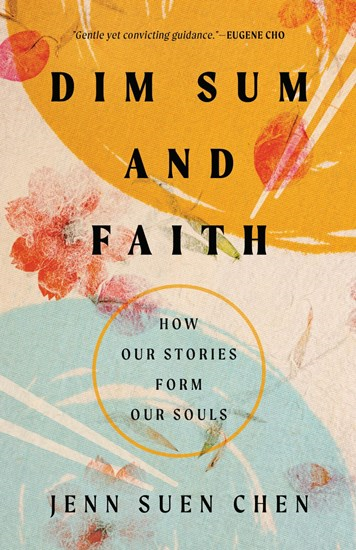
As we learn how to tell our story with God, our voice becomes our superpower and points people to Jesus. It’s not just about knowing our story; it’s about telling it with the voice we have been given.

There is a reason that Jesus instructs his followers, “Truly I tell you, unless you change and become like little children, you will never enter the kingdom of heaven” (Matthew 18:3). Once we become adults, our ability to embrace change and to open ourselves to new ways of thinking and living diminishes. But children have an inherent openness and malleability; with the exposure to the right kind of books, a child can be formed in ways that will last into adulthood.
So then, can I, as an Asian American, trust Scripture? According to the wonderful contributors of The New Testament in Color, the answer to that question is “Yes!” Yet, not only I as an Asian American can trust Scripture, so too can African Americans, Hispanic Americans, Native Americans, and others.

Living as a member of a marginalized community can be lonely and a source of grief, but Verma reminds us that we can find Jesus in the margins.

The faith that helped our parents and our families survive in this country can sometimes be at odds with the growing faith of the younger generation that looks around and is asking, “How can my faith impact the world around me?” It’s a complicated question.

Throughout her book, Jun continues to pull on the theme of coming home to yourself—and the way that journey looked for her uniquely as a biracial Korean woman growing up in the States.
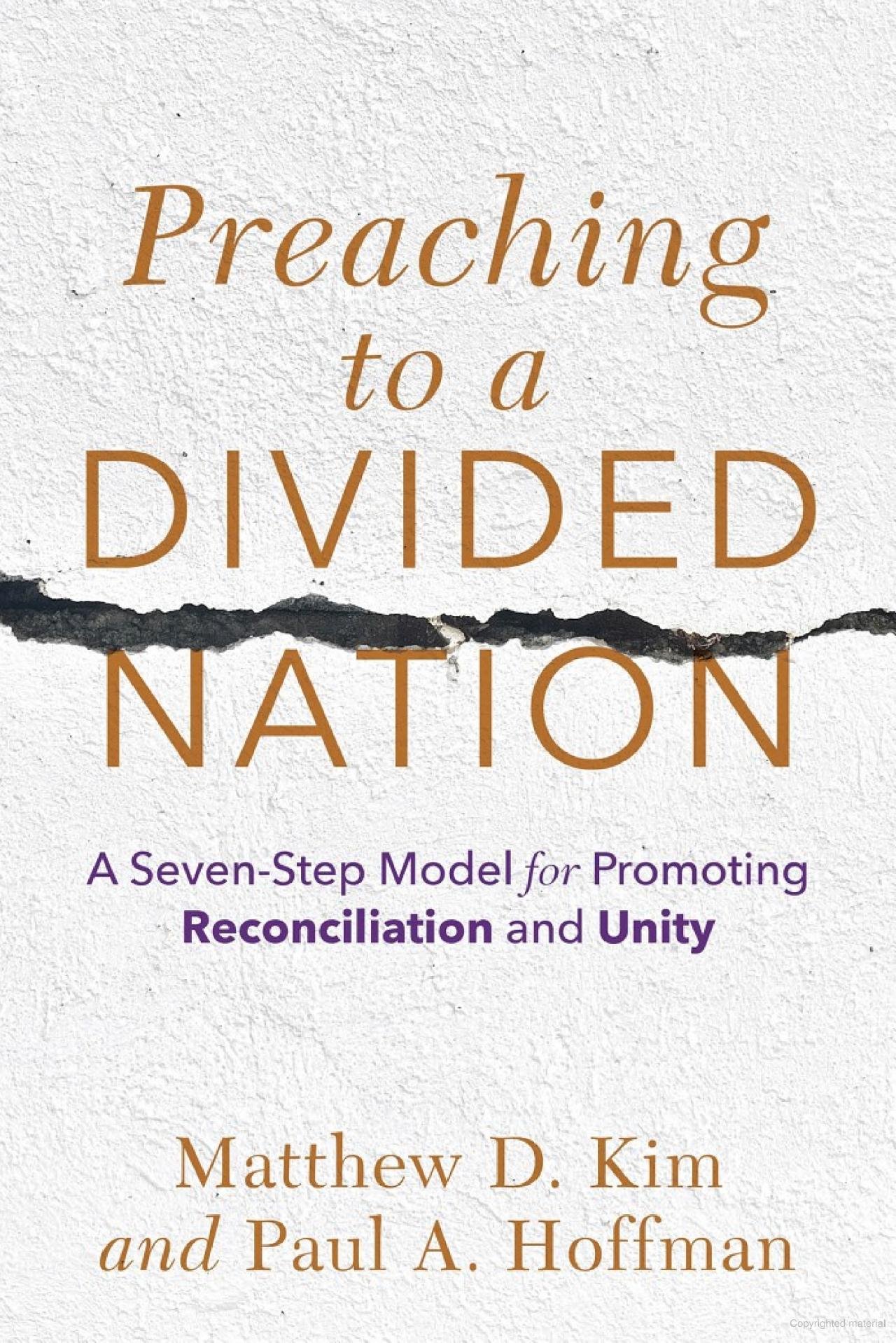
In order to fix the divisions in our churches and our country, we not only have to understand what is broken but how it is broken.
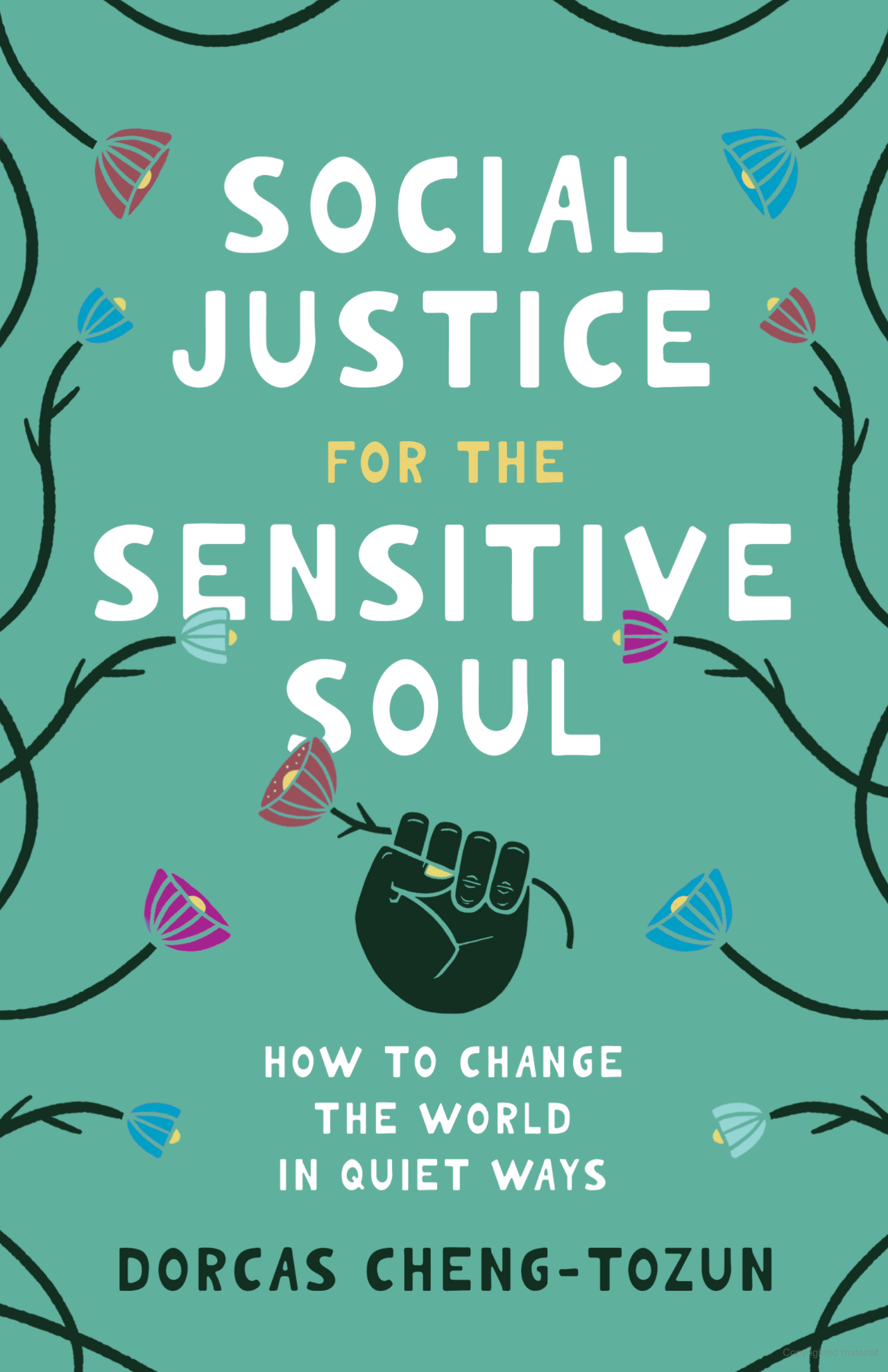
“Finding your own way in social justice work requires courage, creativity, wisdom, and an openness to possibility. It requires shaking off the unhealthy and unrealistic expectations of others. It asks us to embrace our differences as beautiful and our unique personalities and perspectives as gifts, rather than comparing ourselves to others.”

Sam’s former profession as a storyteller is apparent as he vividly paints a picture as though you are there with him in his humble beginnings and follow him through his highs and lows.

For Asian American, Native Hawaiian, and Pacific Islander Heritage Month, we recommend picking up a book (or two) to help you learn about a perspective that may be unfamiliar to you, or perhaps makes you feel more seen in your own identify and experience.
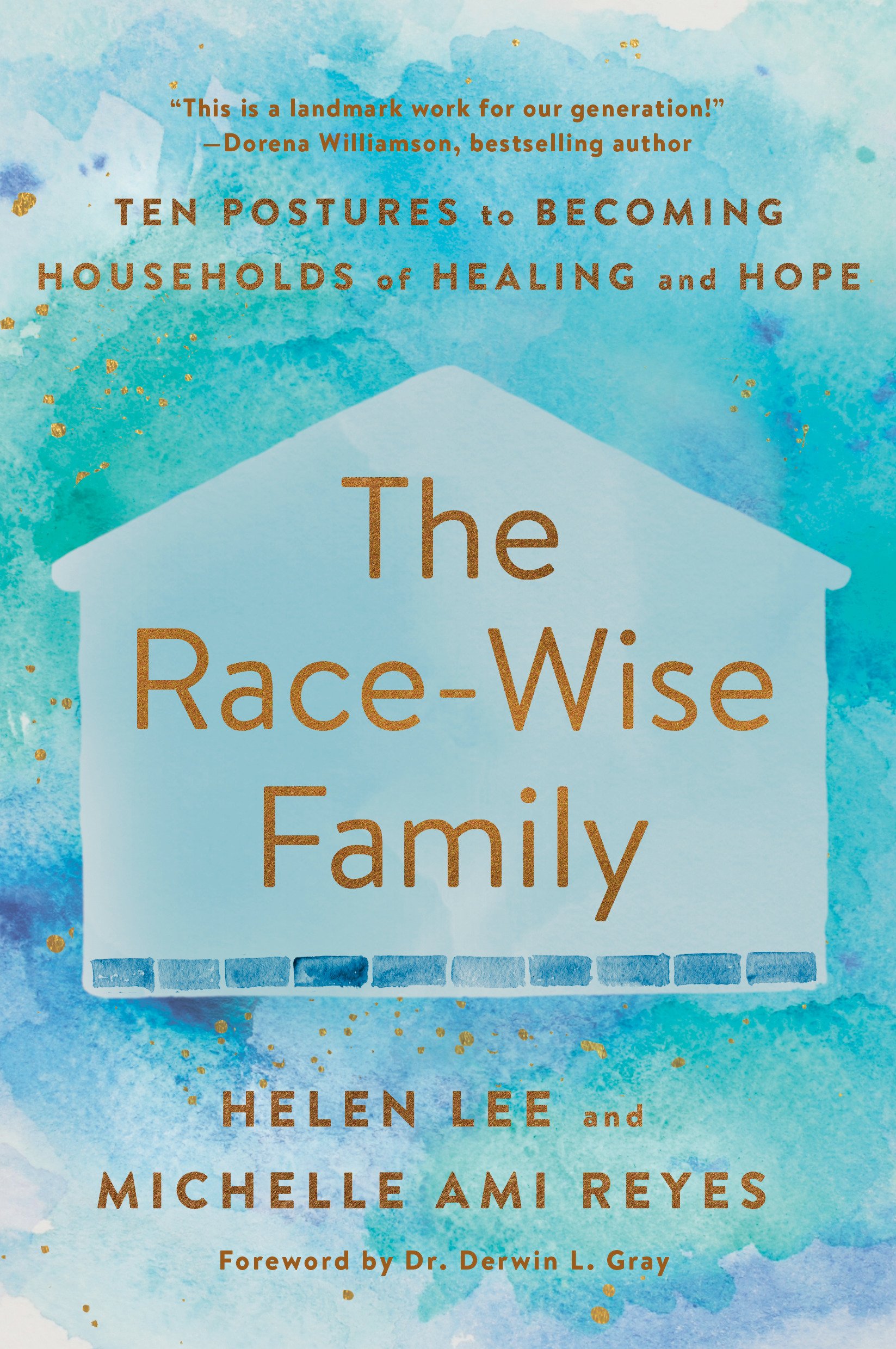
Whenever a racial tragedy happens in our country or around the world for that matter, our posture of heart as a family is to first respond with lament. My family laments every time a life is lost because every person’s life has value and meaning.

Invisible courageously offers full witness to the invisibility of Asian women and to a God who sees. Kim ultimately asks her reader to reimagine faith in the God who makes all visible, whose spirit is in all people, and whose reign never ceases–defining our today.

What if there was a way to see our different callings as women - as mothers, wives, academics, and ministry leaders - not as forces pulling us in different directions, but as a single effort working toward a common goal? That is, in many ways, the question that Power Women seeks to answer.


Even if God's goodness to me didn't look the way that I thought it should, I'm going to worship him because he's worthy of worship.


The Chinese American author discusses how fully embracing the reality of our embodiment, with all its hurts and vulnerabilities, can bring us closer to Christ.

Third-generation Chinese American speaker and activist Nikole Lim shares how her family history and cultural identity shape her work advocating for survivors of sexual violence.

How we hear and interpret Scripture can’t be separated from our cultural context. A new book explores how ministers, preachers, and teachers can more effectively speak to Asian North Americans.