How Do You Honor Your Parent After Their Death?
By J.J. Ni
M
y single Chinese mother died just one month shy of her retirement. Since this time, I've felt like the custodian of the things she's left behind—a modest inheritance of resources not so much for my use but under my care.
Hers was a life of work and sacrifice—returning from work at 10 p.m. so that my sister and I could go to private schools, to violin lessons, to nature camp. Through barriers of language and culture, she paved the way to privilege for us. She suffered sleepless nights of stress so we could have choices and, ultimately, a future.
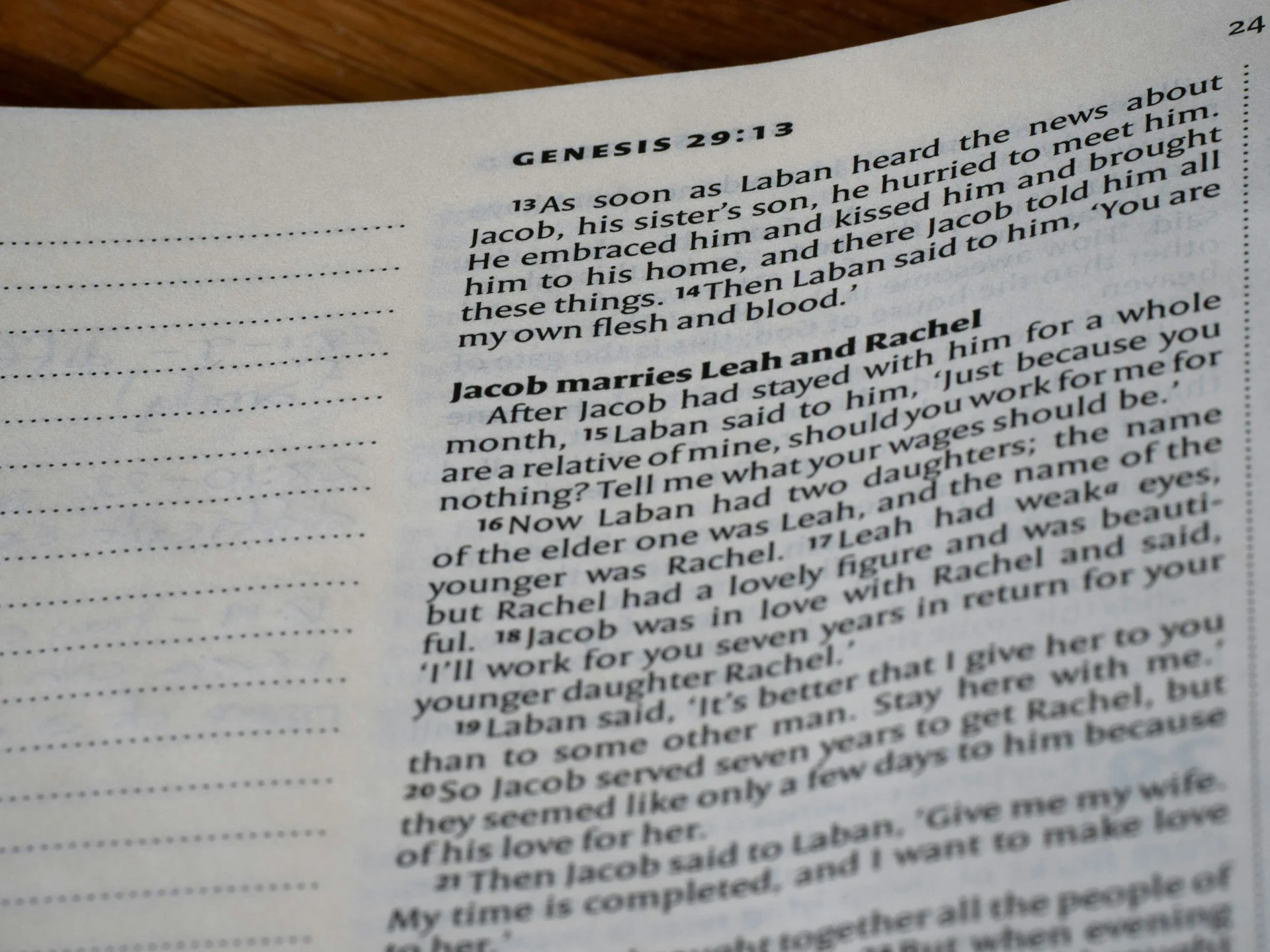
And so I felt the weight of it all. For years I didn't touch my inheritance, for fear of not using it well. I felt bound by responsibility and a duty and desire to honor her and everything she worked for. Sometimes my fear would even take on her voice in my head, anxiously urging me to “make the most” of everything I’ve been given (like that Bible verse that haunts me), although it is not always clear to me what that means.
But after this time of immobility, I've slowly come to realize that what I've received from my mother—my inheritance—is much greater than any sum of money: My very flesh, my whole life, was a gift from her.
Or rather a gift from God through her.
It was her love and labor that made all this possible. But these things all belong to God—a God who is bigger than us both.
And what was once entrusted to her hardworking, yet human hands, is now entrusted to mine, to me.
To me, the daughter who sat next to her in the church choir. “Sing louder!” she would say with her loud and lovely alto voice as she strained to hear the right note. To me, the daughter she walked with in the Botanical Gardens, while she listened to the birds and got “good exercise.” To me, the daughter who would always come home for the holidays and who would, ultimately, help her to the washroom when cancer got the better of her.
But also to me, the daughter who perpetually had her head in the clouds. “Jeh, don’t talk like that; be practical!” she exclaimed over the phone when I told her I wanted to study philosophy. The daughter who went into the mission field rather than medical school. And to me, the daughter who explained the “incomprehensible” Eckhart Tolle book to her with ease when she had to read it for her cancer support group. Both like my mother and not—me.
So as I move forward, I honor her in ways that are filtered through not only how she has raised me, but also who God has made me to be. This might mean that, at times, I love this world in ways she never would have conceived of, or that I give my life and resources to things she might not understand. And just as she in her humanness fumbled at times, I too will fumble. But her values, guidance, and all she has done have shaped who I am; and, I pray, God is doing and redeeming the rest. And so day by day, and dollar by dollar, with all I am and have, that is how I seek to honor my mother after her death.
Photo by Sandy Millar on Unsplash
J.J. Ni is a mixed race millennial and a former ministry associate and therapist. She currently works in higher education and lives in Canada with her husband and turtle.
More Like this:

Help us continue the work of empowering voices. Give today.